   Sometimes to remove a fossil
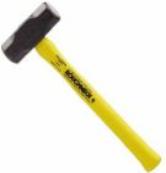
from the rock surrounding it you may need to bust it open with a sledge hammer. This works great on nodules and concretions. Every serious fossil collector has
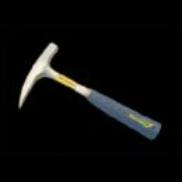
to have a good rock hammer! This is the signature tool of the trade. It's great for separating fossils from the matrix if used carefully. To get to most fossils it takes
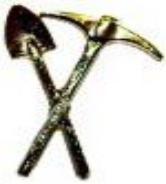
hard work, sweat, and the old reliable combination of Pick and Shovel. Just remember to not swing carelessly or you may injure yourself or damage fossils. 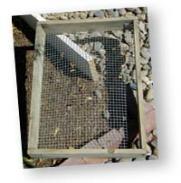   For the really hard to get fossils
there's always...............BOOM!! Just kidding!!!! Dynamite is usually not an option for the average fossil collector A whisk broom or even a paint
brush does wonders to help clear away dust and dirt to help you see the out line of a fossil in matrix To make sure you uncover all
the fossils that you may dig up it might be necessary to screen for smaller fossils using a sifter. |